By Cindy Zhao
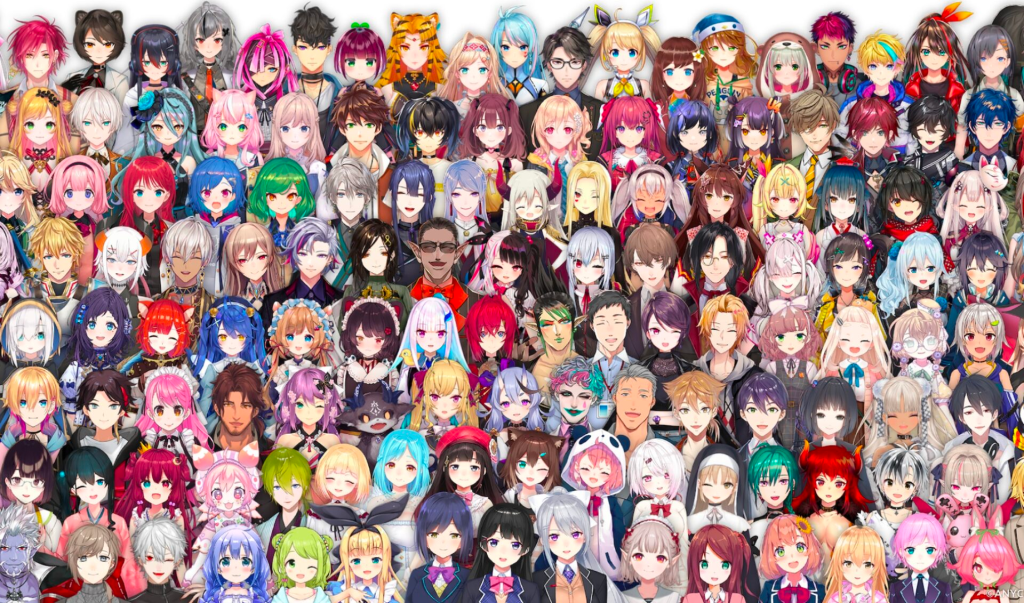
In recent years, the world of digital character design and animation has seen significant advancements, giving rise to immersive experiences and engaging storytelling. One such innovation is the emergence of Live2D models, which combine 2D artwork with sophisticated rigging and animation techniques. Live2D models have gained popularity in various industries, including gaming, virtual YouTubing, and interactive storytelling. In this article, we will dive into the fascinating world of Live2D models, exploring their creation process, applications, and impact on digital media.
Understanding Live2D Technology
Live2D is a revolutionary technology developed by the Japanese company, Live2D Inc. It allows artists to breathe life into 2D characters by enabling dynamic movements and expressions. Unlike traditional 2D animation, Live2D models are created using a combination of layered artwork and a special rigging system. This system utilizes deformers and parameter controls to manipulate different parts of the character’s body independently, giving it a three-dimensional appearance and the illusion of movement.
Creating Live2D Models
The creation process of Live2D models involves several stages, including character design, artwork preparation, rigging, and animation. Artists start by designing the character in multiple angles, known as “motions.” These motions serve as the foundation for the subsequent steps. The artwork is then separated into different layers based on the character’s body parts, such as head, eyes, mouth, and limbs. Rigging artists use specialized software, such as Live2D Cubism, to create a skeletal structure and assign deformation parameters to each layer. This process allows for the manipulation of the character’s parts individually or in combination, resulting in realistic movements.
Applications of Live2D Models
Live2D models have found widespread use in different industries. In the gaming sector, these models add depth and personality to in-game characters, enhancing the player’s experience and emotional attachment to the story. Live2D models have also gained popularity in the world of virtual YouTubing, where content creators use animated avatars to represent themselves in videos, live streams, and virtual interactions with viewers. Moreover, Live2D models are increasingly being employed in interactive storytelling applications, educational platforms, and virtual reality experiences, where they enable engaging narratives and lifelike character interactions.
Impact and Future Possibilities
The advent of Live2D models has revolutionized the way digital characters are brought to life, opening up new possibilities for creative expression and storytelling. By bridging the gap between 2D art and dynamic animation, Live2D technology has created a unique visual style that captivates audiences worldwide. As technology continues to evolve, we can expect even more advanced features and capabilities in Live2D models, such as improved facial tracking, augmented reality integration, and enhanced real-time interactivity.
Conclusion
Live2D models have ushered in a new era of digital character animation, enabling artists and developers to create captivating and interactive experiences. With their ability to breathe life into 2D artwork, these models have become a powerful tool in gaming, entertainment, and various digital media applications. As the technology evolves, we can look forward to witnessing even more astonishing Live2D creations and their impact on the future of visual storytelling.
 Cindy Zhao